Voice agentsPopular
MediaSFU vs Vapi
Model an AI receptionist, support overflow, or outbound campaign, then compare the infrastructure scope behind the result.
Best evaluation forAgent-led calling with a wider communication roadmap
Open comparison Workload-first comparison hub
Start with the experience you need to ship, model the volume, and see which costs and operating surfaces sit behind the headline. Every guide separates published rates from carrier, model, storage, plan, and optional-service spend.
Each guide includes scenarios, adjustable cost assumptions, fit boundaries, sources, and a migration path.
Model an AI receptionist, support overflow, or outbound campaign, then compare the infrastructure scope behind the result.
Compare public self-serve plans at your call volume and see what changes when agents, handoff, widgets, and records share one stack.
Price production AI call operations while keeping model, carrier, workflow, and artifact costs visible.
Test cloud-phone and call-routing scenarios without pretending a carrier route and a media transport layer are the same bill.
Compare HD participant-minute economics, included allowances, and the product surfaces needed beyond the room.
Run graduated video pricing against telehealth, company meeting, and live-learning workloads.
Compare a complete communication product surface with a modular Python AI pipeline framework and its deployment choices.
Compare agent-session infrastructure while separating plan fees, provider spend, and the operating workflow around the agent.
Model video participant minutes and decide whether the wider room, phone, AI, widget, and SDK surface matters to your roadmap.
A rate or feature row cannot show how the pieces work together. These product-shaped experiences make the room, media, operator, audience, and integration surfaces tangible.
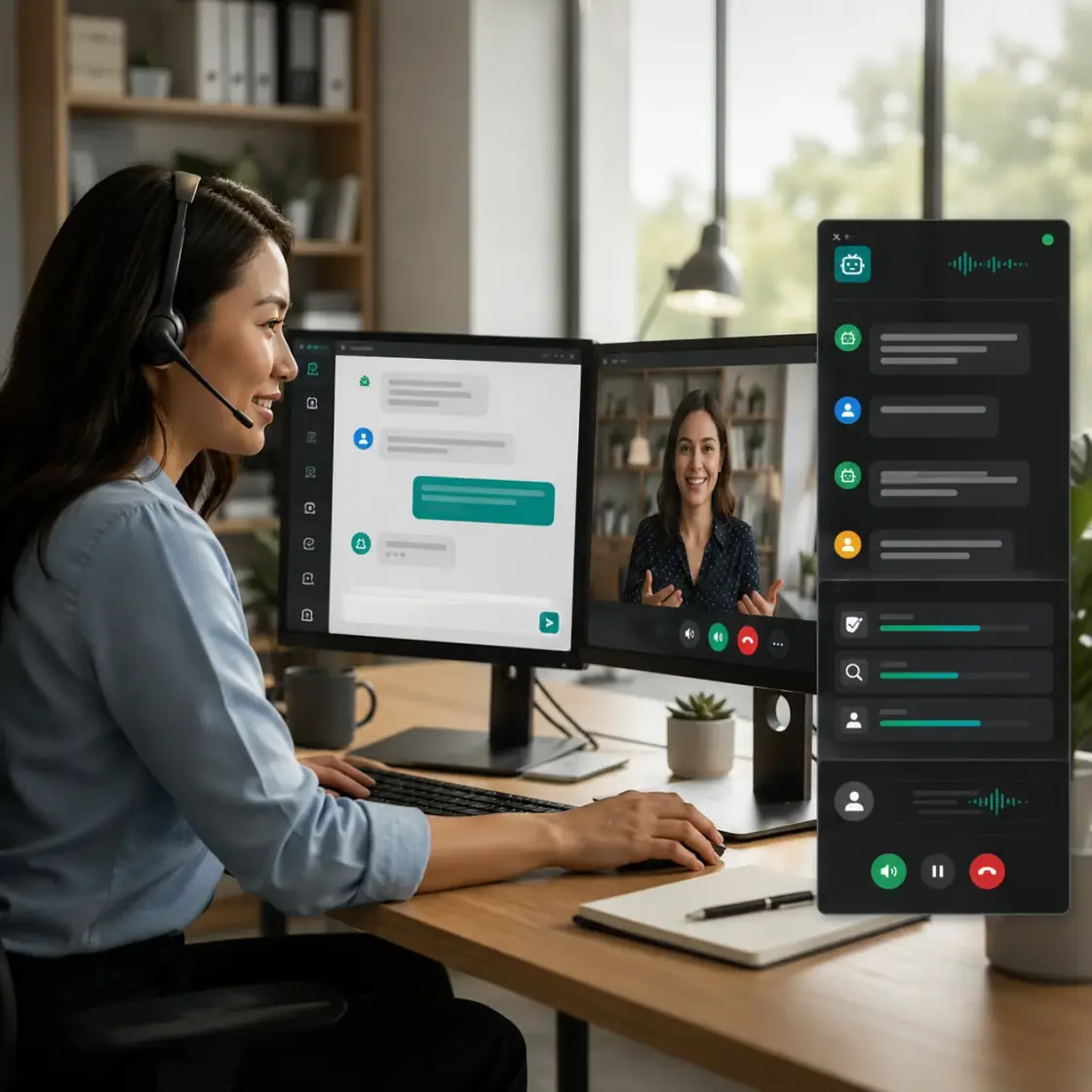 Agents + human handoff
See provider-flexible agents, ordered realtime audio, operator controls, and a path from automation to a person.
Explore agent workflows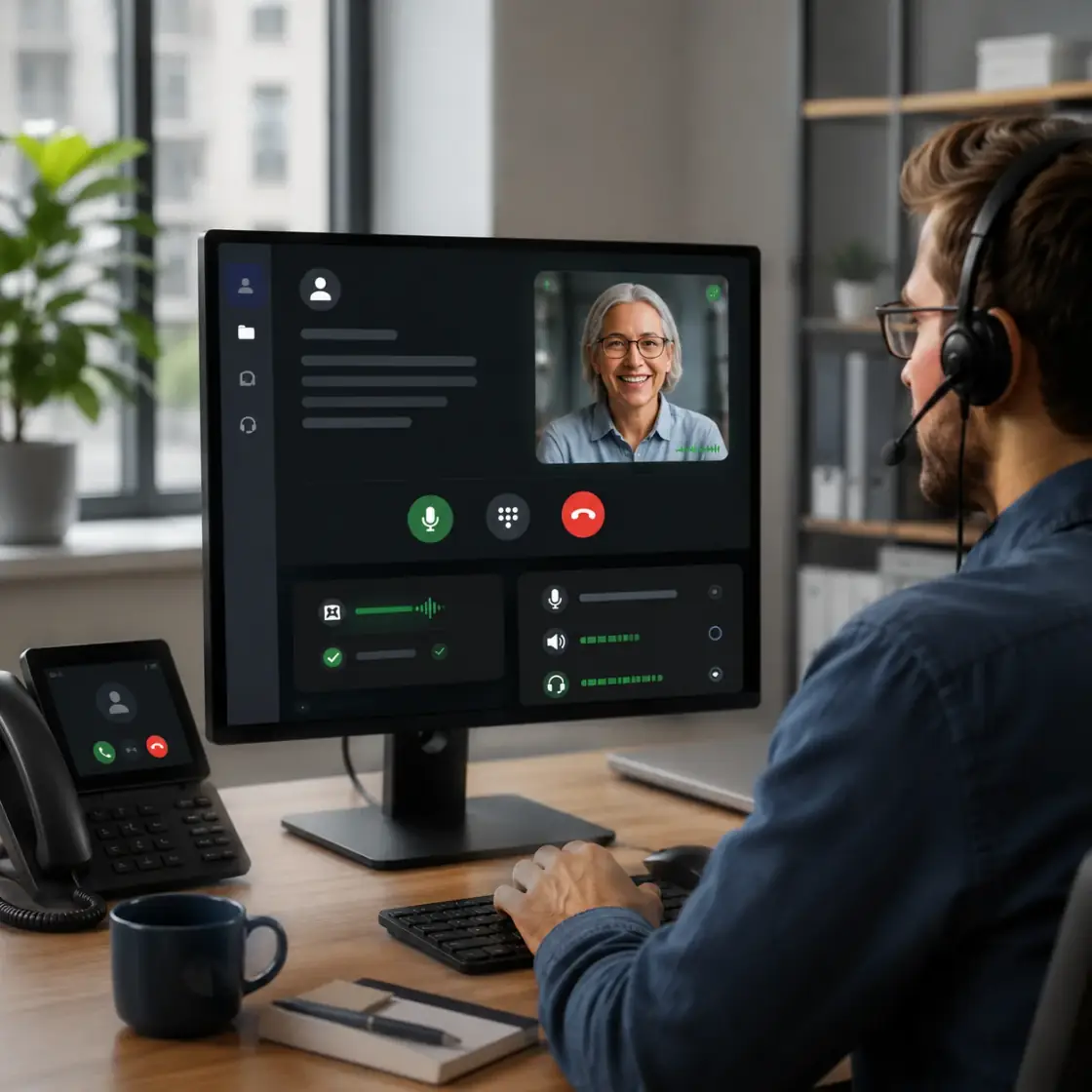 Runnable showcase
Inspect a polished calling experience with self and remote media, a draggable mini view, and focused call controls.
Open familiar calls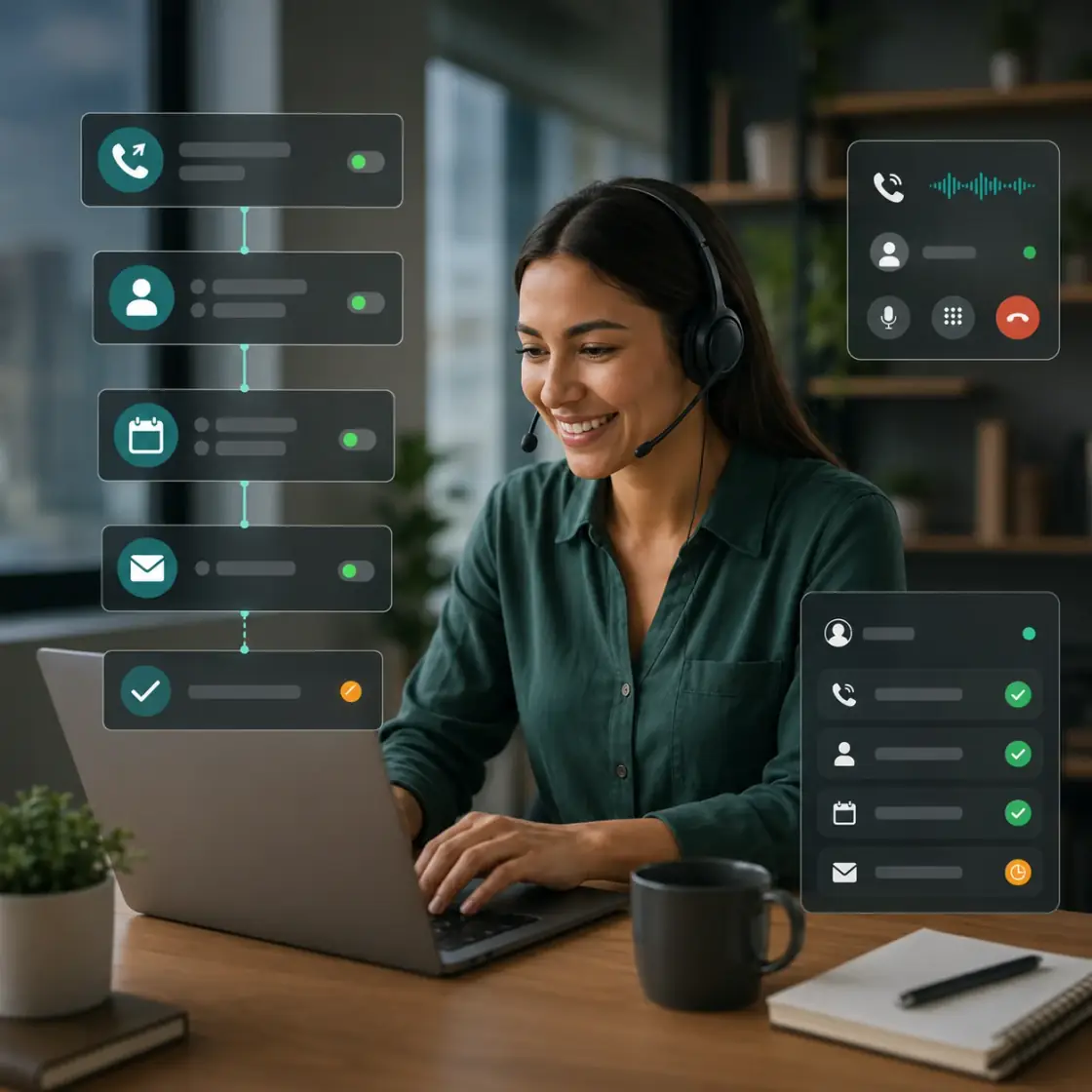 Product workflow
Connect browser calls, SIP/PSTN routes, dialing state, agent automation, and person-to-person takeover in one operating path.
Explore phone and SIP Runnable showcase
Move from an interactive WebRTC control room to audience-scale viewing while preserving production controls.
Open broadcast control Runnable showcase
Explore a teaching surface shaped around participation, media, screen sharing, collaboration, and instructor control.
Open the classroom Runnable showcase
See host media, product storytelling, audience participation, reactions, and bidding composed into one live surface.
Open live auction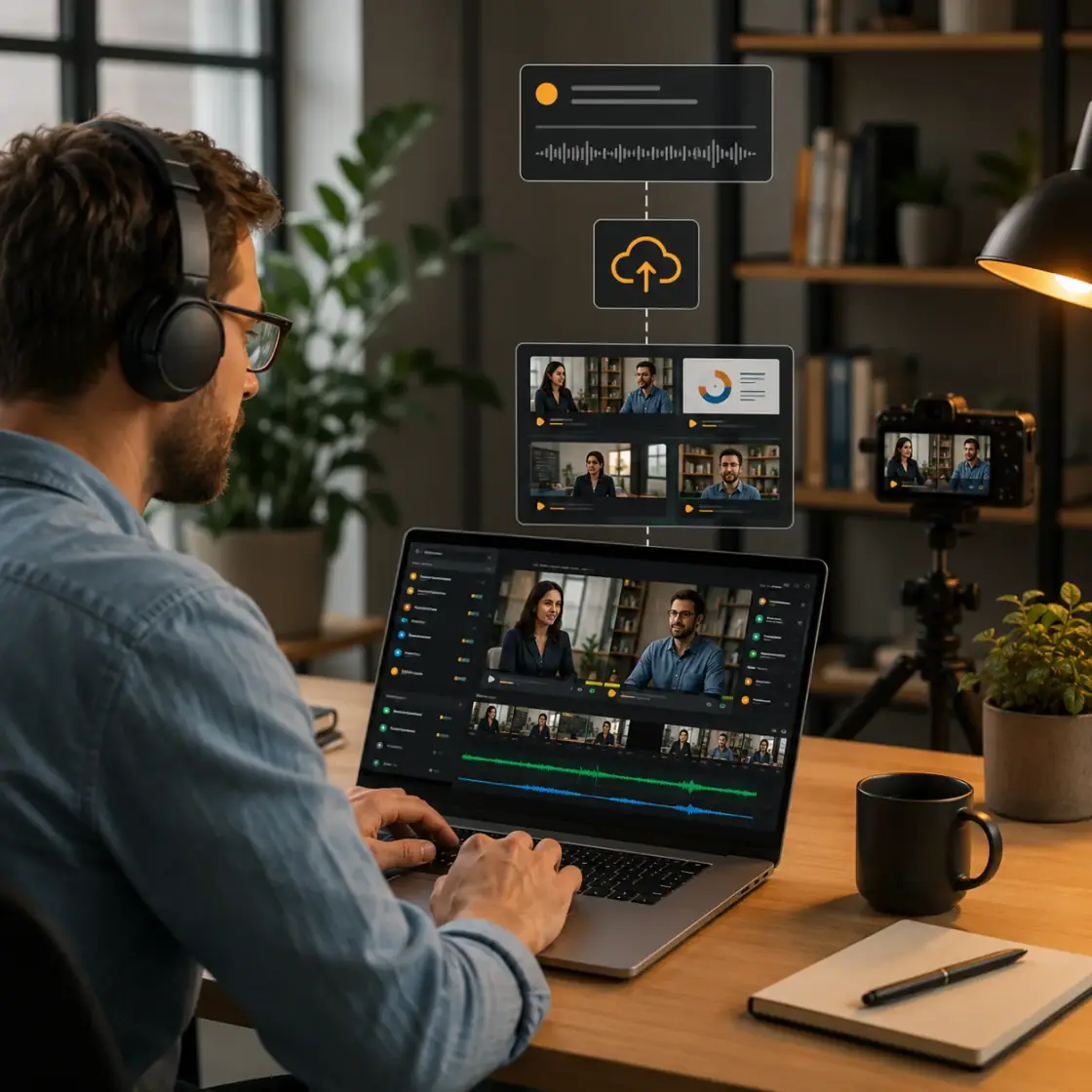 Runnable showcase
Combine shared playback, participant media, reactions, and host controls without flattening the experience into a generic room.
Open watch togetherEach capability still needs to be validated against the SDK and deployment path you choose; this map shows the product breadth, not a blanket platform-parity claim.
Meetings, webinars, classrooms, screen sharing, whiteboards, interactive WebRTC, and audience delivery.
Voice and vision agents, provider choice, live translation, transcripts, notes, and human handoff.
Cloud phone, click-to-call, SIP/PSTN workflows, dialing controls, and agent-to-person takeover.
Start with complete room UI, override individual components, or own rendering through headless media contracts.
Six embeddable widgets plus web, native, Flutter, and game-engine paths for the surfaces your product needs.
Use managed MediaSFU Cloud, or run MediaSFU Open as your own local media server and retain infrastructure control.
Ranked buyer's guides surface credible alternatives, their strongest use cases, and the tradeoffs hidden by a feature checklist.
Keep product fit, billing scope, and implementation proof in the same conversation.
These models are decision aids. Validate the linked sources and your negotiated terms before procurement.
Read implementation docsStart with your real workload assumptions, then compare each vendor on call minutes, routing profile, feature scope, and integration overhead.
No. Include architecture and operations costs like additional services, maintenance effort, and support complexity.
Yes. Each page includes source references so teams can validate pricing and feature claims before procurement.
Yes. The pages are written for both technical and non-technical stakeholders evaluating communication platform choices.
Last updated: August 25, 2026